
Walima outfit ideas for the bride 2026
What Pakistani brides are wearing for walima in 2026 — colour direction, garment options, fabric choices, and the designers leading the formal-reception look.
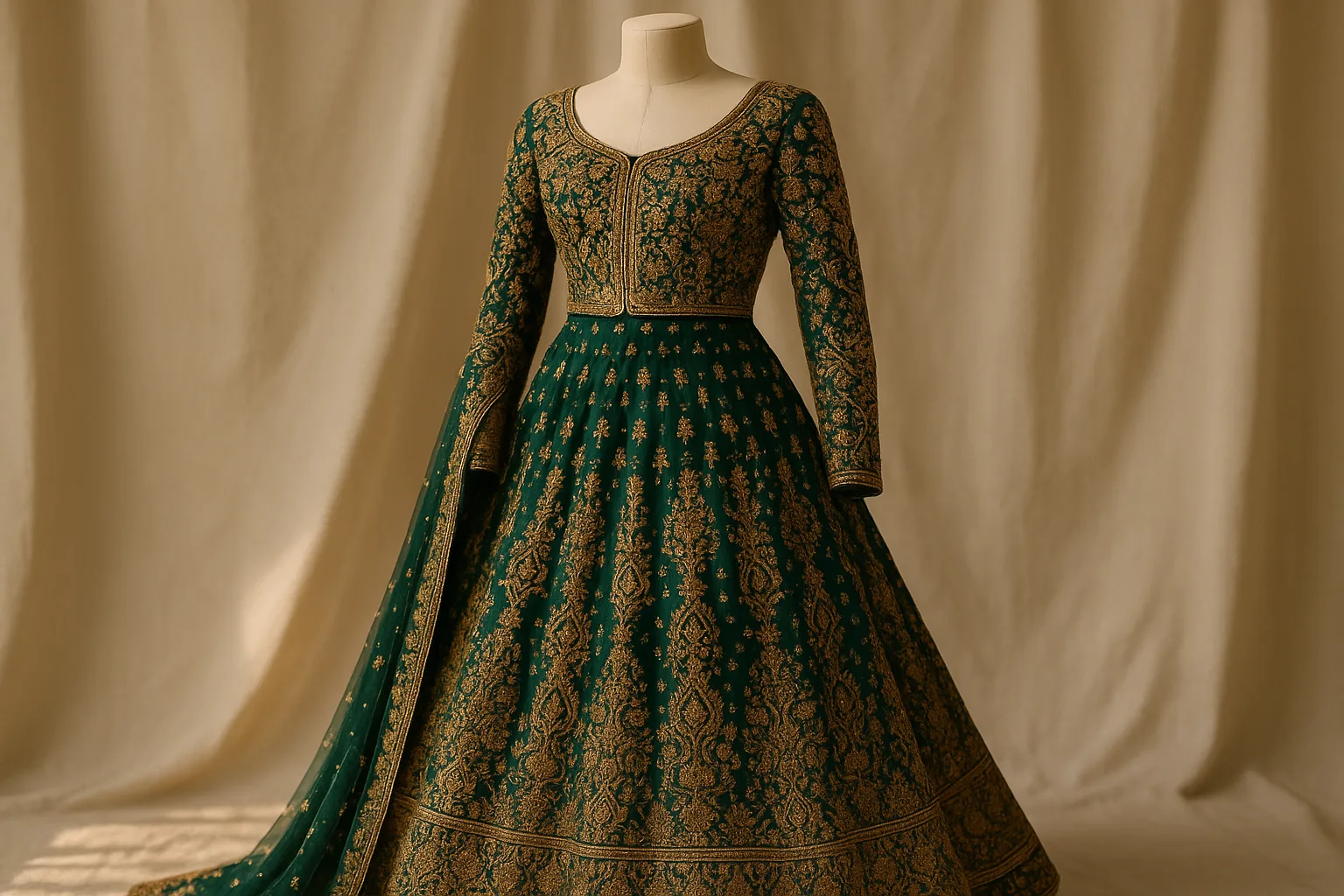
The walima is the formal half of a Pakistani Muslim wedding. Hosted by the groom's family, traditionally a few days after the nikah, it is the public reception — the moment the new couple is presented to the wider community, family, and friends. The bride's walima look is often the most photographed of the entire wedding season. Lighter than the bridal red, more glamorous than the nikah, more polished than the mehndi — this is the second look that lives in the wedding album as long as the first.
Here is what's on for 2026.
Colour direction for 2026
The walima palette is moving in two distinct directions this year.
Jewel tones lead the formal end. Deep emerald, sapphire, ruby (for non-bridal-red brides), oxblood, plum, midnight blue, antique gold. These work for evening walima receptions in winter or autumn, particularly under venue lighting that flattens softer colours.
Pastel-and-gold leads the romantic end. Ivory with antique gold zardozi, dusty blush with silver kamdani, champagne with cream embroidery, soft sage with gold work. These suit garden walima settings, summer evening receptions, and brides who want a softer photograph than the wedding day red.
The colours that have aged out: pure white (often misread as bridal in non-Pakistani contexts and as too sombre in others), bright synthetic reds (read as bridal-day, which the walima is meant to follow rather than echo), and any tone that dominates the bride's wedding-day lehenga colour.
Garment direction
Heavy lehenga
Still the most popular walima silhouette for British Pakistani brides. The walima lehenga is fuller, heavier, and more elaborately embroidered than mehndi or sangeet pieces. Look for:
- Fully flared skirts (12 to 24 panels)
- Structured cholis with proper interfacing
- Heavy zardozi, mukesh, or dabka work on the choli and bottom border
- Statement dupatta — heavier than the bridal day, often two-tone
Designers doing this exceptionally for 2026: Faraz Manan (jewel-tone walima collection), HSY (the structured walima archetype), Sania Maskatiya (refined heritage lehengas), Mohsin Naveed Ranjha (oxblood and emerald with hand zardozi).
Sharara and gharara
Returning strongly for 2026. Sharara (wide trousers) and gharara (gathered at the knee) sets feel modern, slightly retro, and photograph beautifully in motion. Particularly suited to brides who want to dance through the walima rather than stand for photos.
Maria B's bridal pret line and Élan are leading the modern sharara revival. Mohsin Naveed Ranjha and Faraz Manan continue strong gharara work.
Saree (the under-used option)
More Pakistani brides are choosing saree for walima this year — partly through fusion-wedding influence, partly through the genuine elegance of a structured saree on a formal evening. Banarasi for fusion looks; raw silk and tissue silk for cleaner modern saree drapes.
This suits brides with strong Bengali, Indian, or fusion influence in the family, or who simply want a different silhouette from the wedding day lehenga.
The bridal gown / Indo-western
A quieter but growing option. Designer Indo-western pieces — structured gowns with embroidery, lehenga-skirt-and-corset combinations, capes with traditional embroidery — appear at walimas particularly when the reception is venue-led rather than mosque-led.
Manish Malhotra's couture and Tarun Tahiliani lead this category.
Fabric direction for 2026
What to ask for:
- Raw silk — the workhorse fabric. Photographs richly, holds structure, drapes well.
- Jamawar — for heritage walima looks. Heavy, regal, photographs like a painting.
- Banarasi — particularly for saree walima or saree-skirted lehengas.
- Tissue silk — lighter, summer walima, more contemporary.
- Velvet — winter walimas only. Photographs deep and rich under low venue light.
- Organza — for the romantic, lighter walima. Works with fine kamdani.
What to avoid:
Your walima look deserves another evening to shine.
After the reception, let someone else celebrate in it. List it free on Desipop. Keep 100% of your earnings.
01Snap it. A few clear photos on your phone.
02Price it. You set it. You keep all of it.
03List it. Seen by buyers UK-wide.
 Live on Desipop
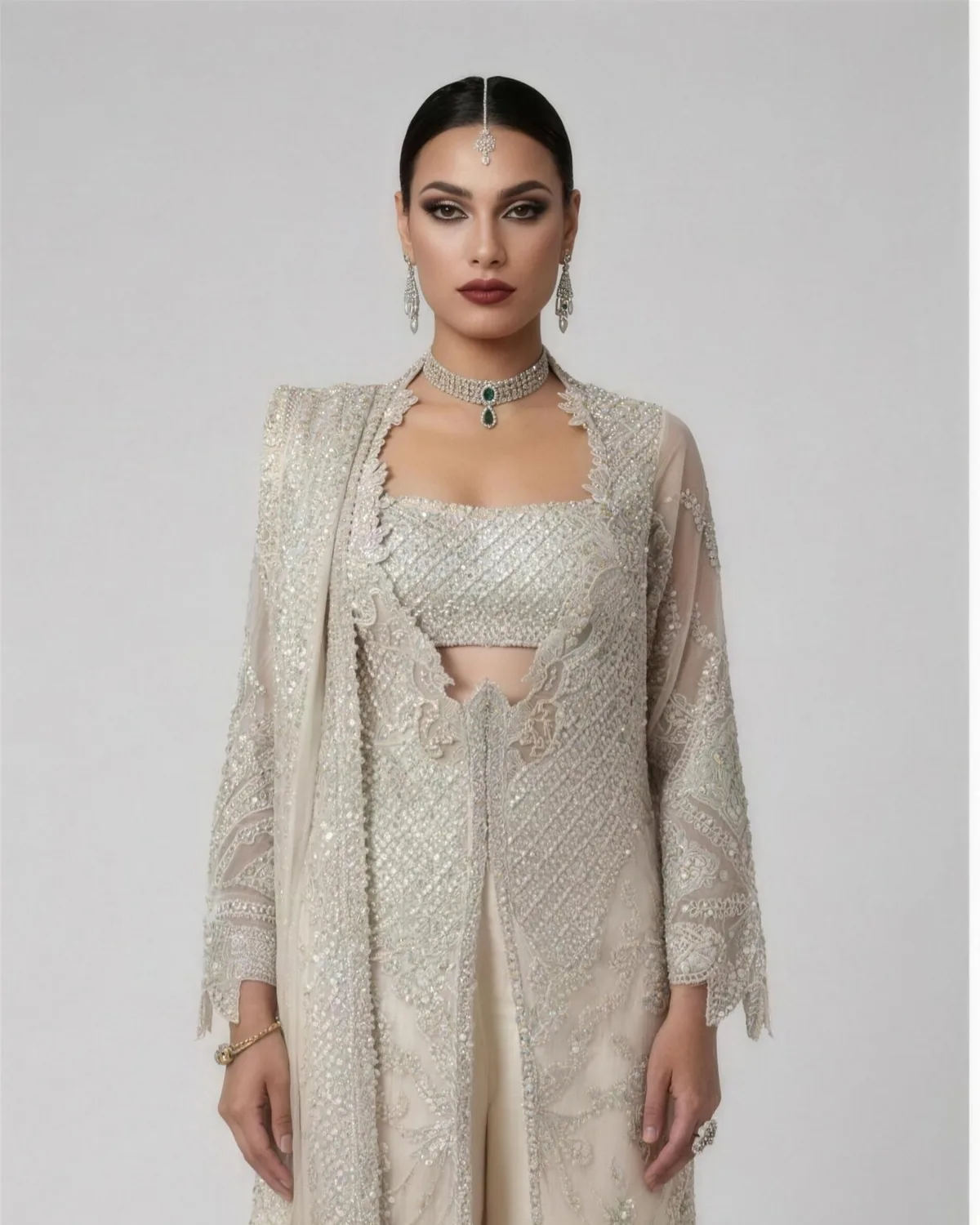
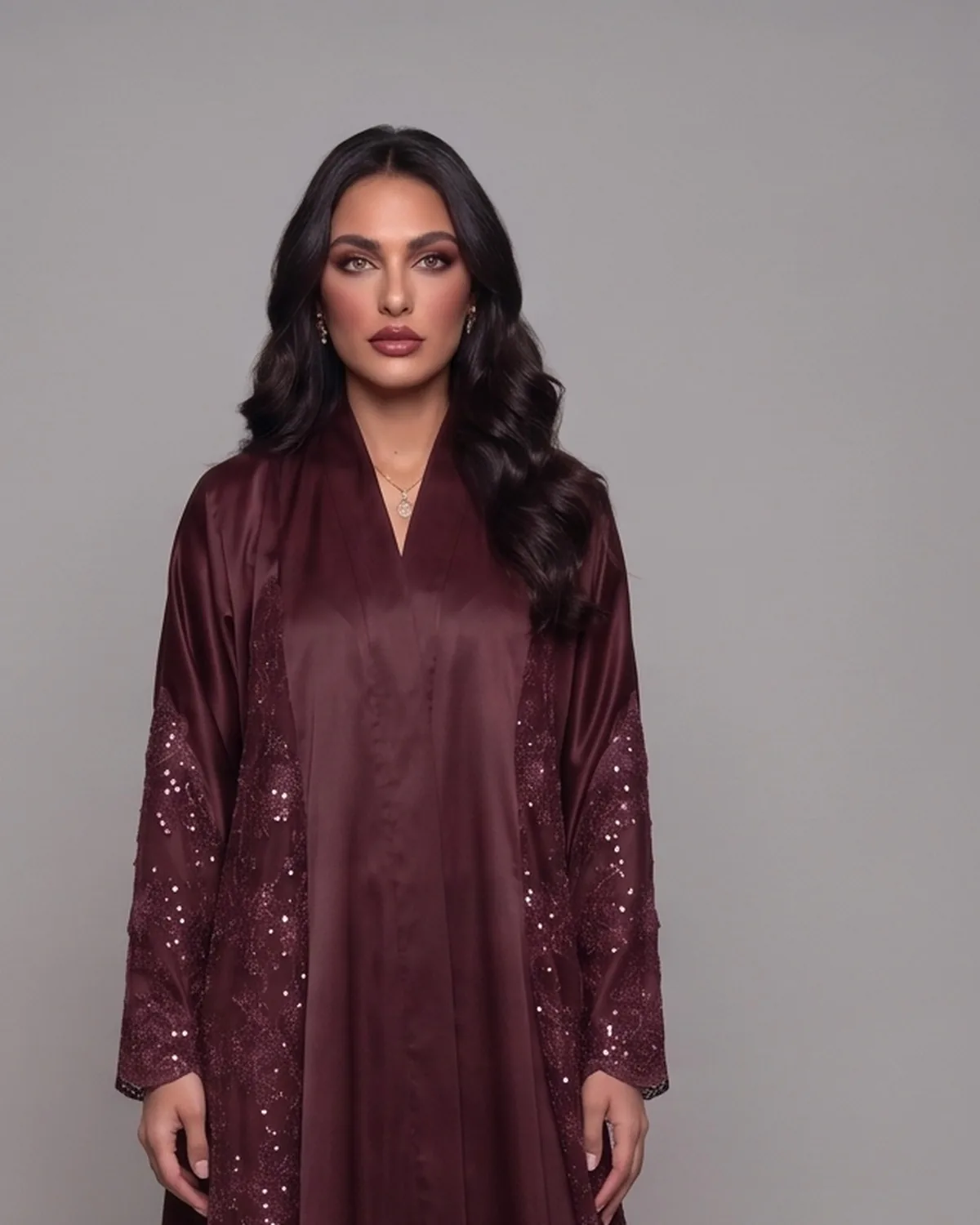
Example listing for illustration
- Synthetic blends marketed as silk
- Polyester-heavy fabrics that reflect light unflatteringly
- Anything that crushes — walima evenings are long, the bride sits, dances, eats
Embellishment — the walima signature
The walima outfit is the one place in the wedding wardrobe where heavy embellishment is expected and earned.
Zardozi — metal-thread embroidery, the signature heritage technique. Look for hand-couched zardozi rather than machine.
Mukesh — traditional Lucknowi technique with silver wire flatwork. Refined, expensive, photographs as light captures.
Dabka — coiled metallic wire, often used in combination with zardozi for textural depth.
Sequin — modern, glamorous, but used sparingly to avoid the over-bedazzled look. Best on cholis and dupatta borders rather than full skirts.
Pearl and stone work — refined, particularly suited to ivory and pastel walima looks.
Hair, makeup, jewellery direction
Walima makeup is more dramatic than mehndi but cleaner than the wedding day. The wedding day look is bridal-traditional; walima leans editorial-glamour.
- Hair: sleek lower buns with maang tikkas, or romantic loose curls with statement earrings. Less structured than the bridal-day updo.
- Makeup: deeper lip colour for jewel-tone outfits, softer berry or rose for pastels. Eyes can go heavier — full smoky.
- Jewellery: the walima is often where heritage gold pieces or family jhoomar / passa make their appearance. Less polki than the wedding day; more traditional gold.
Photography considerations
Walima photographs differ from wedding day photographs in three ways:
- Lighting tends to be artificial. Most walima receptions run into the evening — venue lighting matters more than natural light. Plan colour against the venue's interior tone.
- The mood is movement. Less posed bridal portraits, more candid couple shots. Pieces need to drape and move beautifully, not just stand still.
- The composition is family-led. Group shots dominate. Outfit needs to read clearly within a frame of 10 to 30 people, which means strong colour and embroidery contrast helps.
A timing note
Most British Pakistani brides start walima outfit shopping at the same time as the wedding day lehenga, six to nine months before the wedding. Made-to-measure walima pieces from named designers run six to twelve weeks production time. Designer ready-to-peg ships in two to four weeks. Anything bought inside three weeks of the walima is rushed and typically priced 30 to 50 percent above standard.
What's selling for walima 2026
Tracking what British Pakistani brides are picking this season:
- Oxblood lehenga with antique gold zardozi — the heritage walima archetype
- Pastel mint-and-silver lehenga — the modern romantic walima
- Emerald gharara with mukesh work — the breakout retro choice
- Ivory raw silk lehenga with hand zardozi — the editorial walima
- Plum saree with banarasi border — the fusion walima
A wider thought
The walima is structurally the bride's second wedding. The pressure to find a piece that equals or surpasses the wedding day is real, and most British Pakistani brides spend more on the walima outfit than the lehenga proper. The reason is photographs: the walima photographs are the ones friends, distant family, and colleagues actually see — the wedding day photographs tend to stay within the immediate family circle.
Plan accordingly. The walima outfit is not a secondary purchase. It is, for many brides, the most-shared image of the year.
Browse walima outfits — designer originals from individual sellers and brand-new pieces from designers — across the UK on Wedpop.
Frequently asked questions
What colour should I wear for my walima?
Is the walima outfit usually heavier or lighter than the wedding outfit?
Can I wear a saree for my walima?
What's the difference between walima and reception outfits?
How early should I start shopping for my walima outfit?
Can I rewear my walima outfit at another wedding?
Your walima look deserves another evening to shine.
After the reception, let someone else celebrate in it. List it free on Desipop. Keep 100% of your earnings.
01Snap it. A few clear photos on your phone.
02Price it. You set it. You keep all of it.
03List it. Seen by buyers UK-wide.
Live on Desipop
Example listing for illustration
Read next
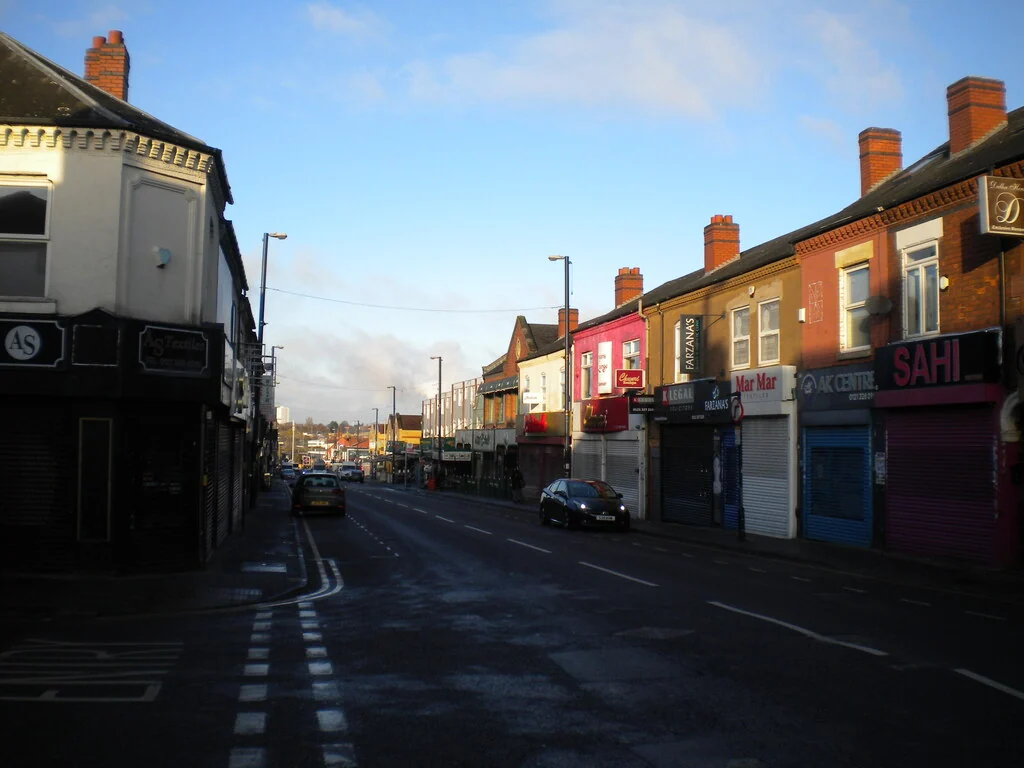
Bridal Lehenga, Asian & Pakistani Clothes Shops on Alum Rock Road, Birmingham
Guide to Alum Rock Road shops in Saltley, Birmingham: bridal lehengas, walima dresses, Pakistani suits, sherwanis and jewellers, plus how to get there.
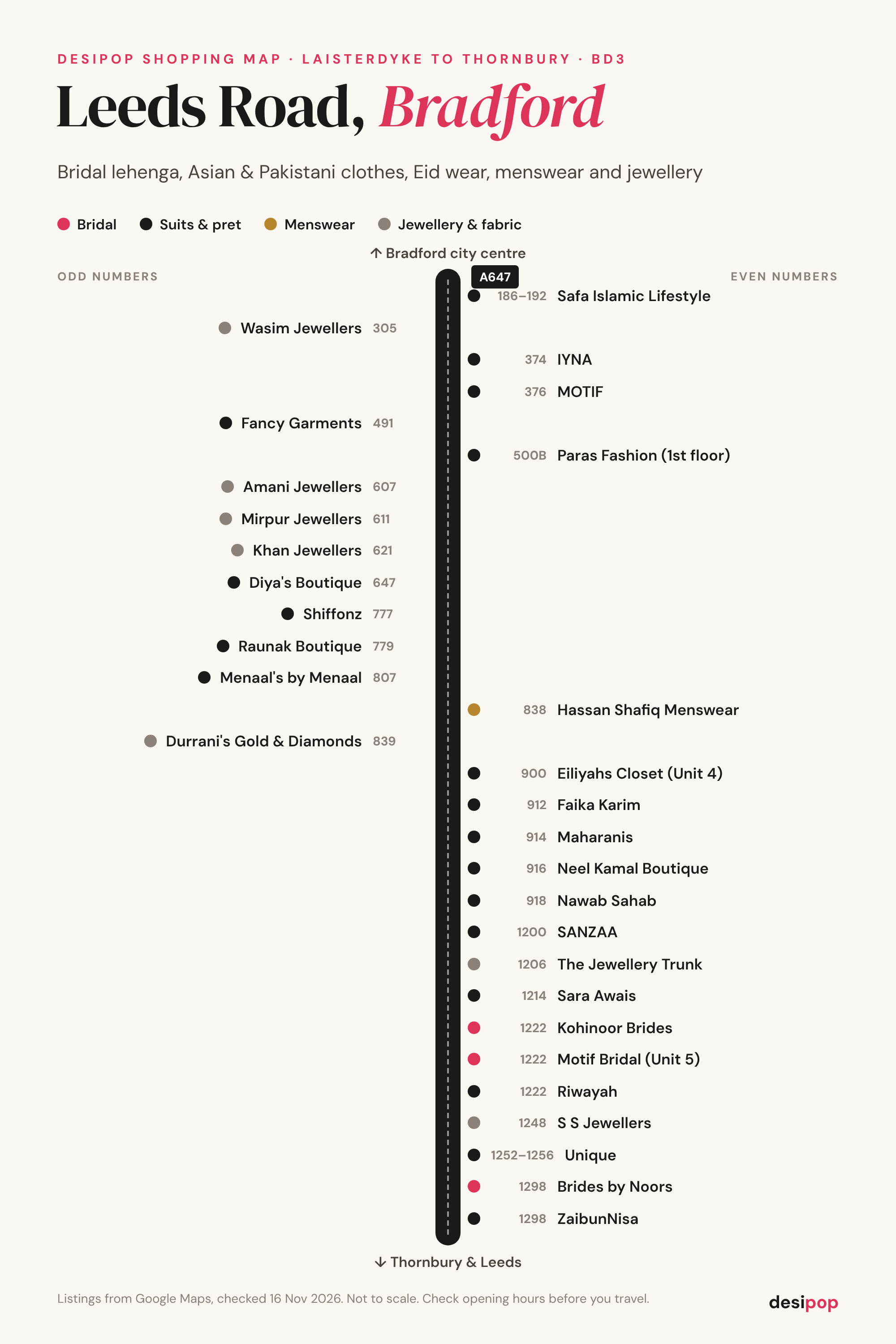
Bridal Lehenga, Asian & Pakistani Clothes Shops on Leeds Road, Bradford
Guide to Leeds Road, Bradford: bridal lehenga, Pakistani suit, Eid and party-wear shops, menswear and jewellers from Laisterdyke to Thornbury.
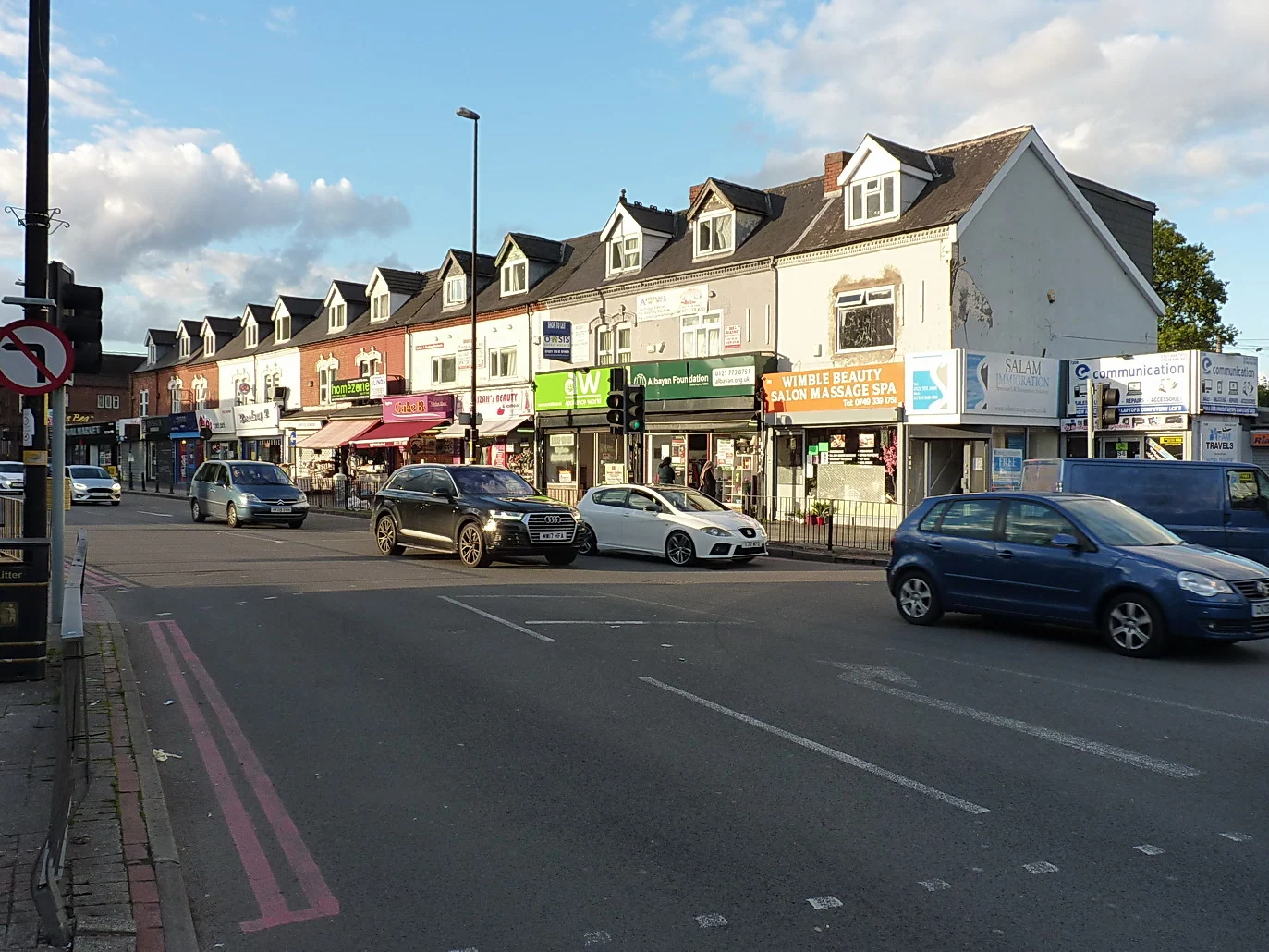
Bridal Lehenga Shops in Birmingham: Asian, Pakistani & Indian Clothes Guide
Bridal lehenga shops in Birmingham, road by road: Stratford Road, Alum Rock Road, Soho Road and Ladypool Road for Pakistani and Indian bridal and walima.