
We did the math — why your £4,000 bridal lehenga cost the shop £200
We did the math on UK Asian bridal lehenga prices — wholesale costs, the 8 to 10x boutique markup, and the postcode pricing problem nobody talks about.
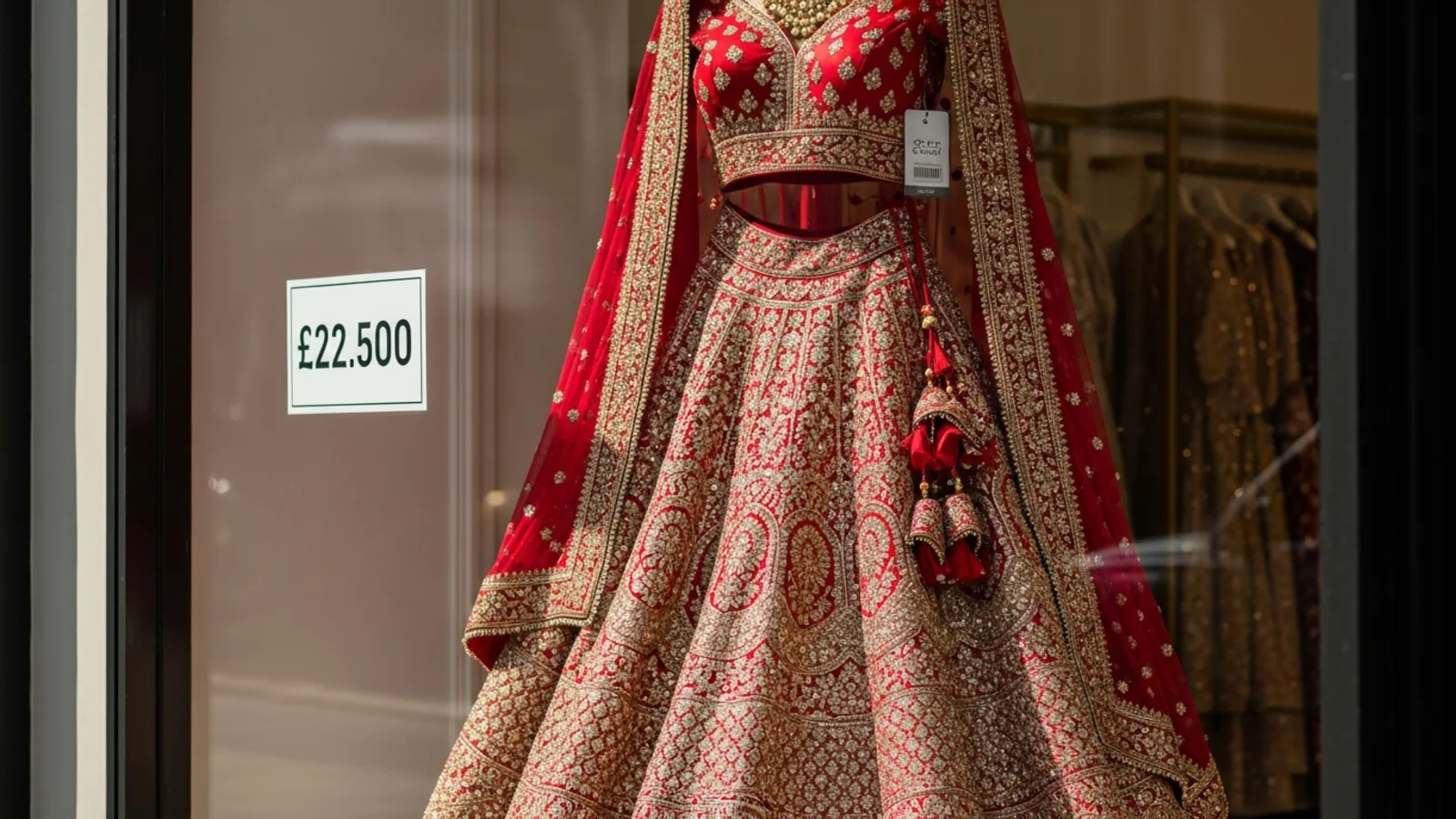
A bride walks into a boutique on Alum Rock Road. Or Soho Road. Or Ilford Lane. Or Bradford. Or Southall. Or Pollokshields.
She's shown a lehenga. £3,500. Bespoke, they say. Imported. One of one.
Here's what she isn't told.
That same piece — or one near-identical to it — was wholesaled out of Karachi, Lahore, or Surat for somewhere between £80 and £400.
The standard fashion industry markup is 2.5x. South Asian bridal boutiques routinely apply 8 to 10x.
We've heard the rumours for years. So we sat down and did the math properly. Here's what we found, with sources, and what it means if you're shopping for a jora in 2026.
The numbers
Across published wholesale pricing on Indian and Pakistani garment exporter directories, designer studio reports, and publicly listed boutique pricing in Birmingham, London, Bradford, Leicester, Manchester and Glasgow, the picture is consistent.
| Stage | Typical cost |
|---|---|
| Wholesale (manufactured in Karachi, Lahore, Surat) | £80 – £400 |
| Wholesale (designer-tier, Pakistani houses like FTA, Élan, HSY) | £700 – £4,200 |
| UK boutique retail (mass-market) | £1,500 – £3,500 |
| UK boutique retail (designer-branded) | £3,000 – £5,000+ |
| The "we made it for you, ma'am" tier | £4,000 – £8,000 |
Standard fashion industry markup, including bridal at major Western retailers, sits between 2x and 3x wholesale. South Asian bridal boutiques, by contrast, regularly hit 8 to 10x.
A £200 wholesale lehenga becomes a £1,800 retail lehenga. A £400 wholesale lehenga becomes a £4,000 retail lehenga.
That gap is the markup. It's also the reason a generation of British South Asian brides have been quietly funding an industry valued at £3 billion a year in the UK alone.
Why the markup is so wild
There are honest reasons part of the markup exists. There are dishonest reasons the rest does.
Honest reasons (~2.5x):
- Shipping, customs, VAT
- Boutique rent — and Soho Road, Alum Rock and Southall aren't accessible
- Staff, alterations, steaming, packaging
- A reasonable margin
The dishonest reasons (the other 5–7x):
- No price transparency. No tags. No published prices. The number is whatever they decide on the day.
- Postcode pricing. A Birmingham accent gets a different quote to a Cardiff accent. A young bride alone gets a different quote to a bride with her aunty in tow.
- Cash discounts. Always offered. Never on a receipt. The "saving" is theatrical — you negotiated down to a price the shop was happy to take in the first place.
- The "bespoke" tag. Adding a panel and re-hemming an off-the-rack piece is not bespoke. Boutiques call it that anyway.
- The aunty network. The same dress, three boutiques, three different prices. Aunties recommend. Boutiques pay.
The honest part of the markup is what every business charges. The rest is what an industry charges when nobody is watching.
The geographic monopoly
Here's the part nobody talks about.
Five UK cities hold almost the entire South Asian occasionwear supply: Birmingham, London, Bradford, Leicester, Manchester — plus Glasgow's Pollokshields.
If you live in any of those — congratulations, you're paying 8 to 10x. But you have options.
If you live anywhere else — Aberdeen, Edinburgh, Newcastle, Cardiff, Brighton, Plymouth, Belfast, anywhere rural — your nearest serious boutique is a 3 to 5 hour drive away.
That's not a market. That's a monopoly. And monopolies set prices.
The cost-of-living crisis didn't change this. The UK Asian wedding industry kept growing through it — averaging £50,000 to £100,000 per wedding — because brides have nowhere else to go.
What about the dresses they "import"?
When a boutique tells you "this is imported from Pakistan," what they mean — almost always — is wholesale.
Not bespoke. Not tailored to you. Bought in bulk from the same handful of wholesalers that supply every other boutique on the same street.
Your bridal lehenga deserves another big day.
Somewhere in Britain, a bride is searching for exactly what's hanging in your wardrobe. List it free on Desipop. Keep 100% of your earnings.
01Snap it. A few clear photos on your phone.
02Price it. You set it. You keep all of it.
03List it. Seen by buyers UK-wide.
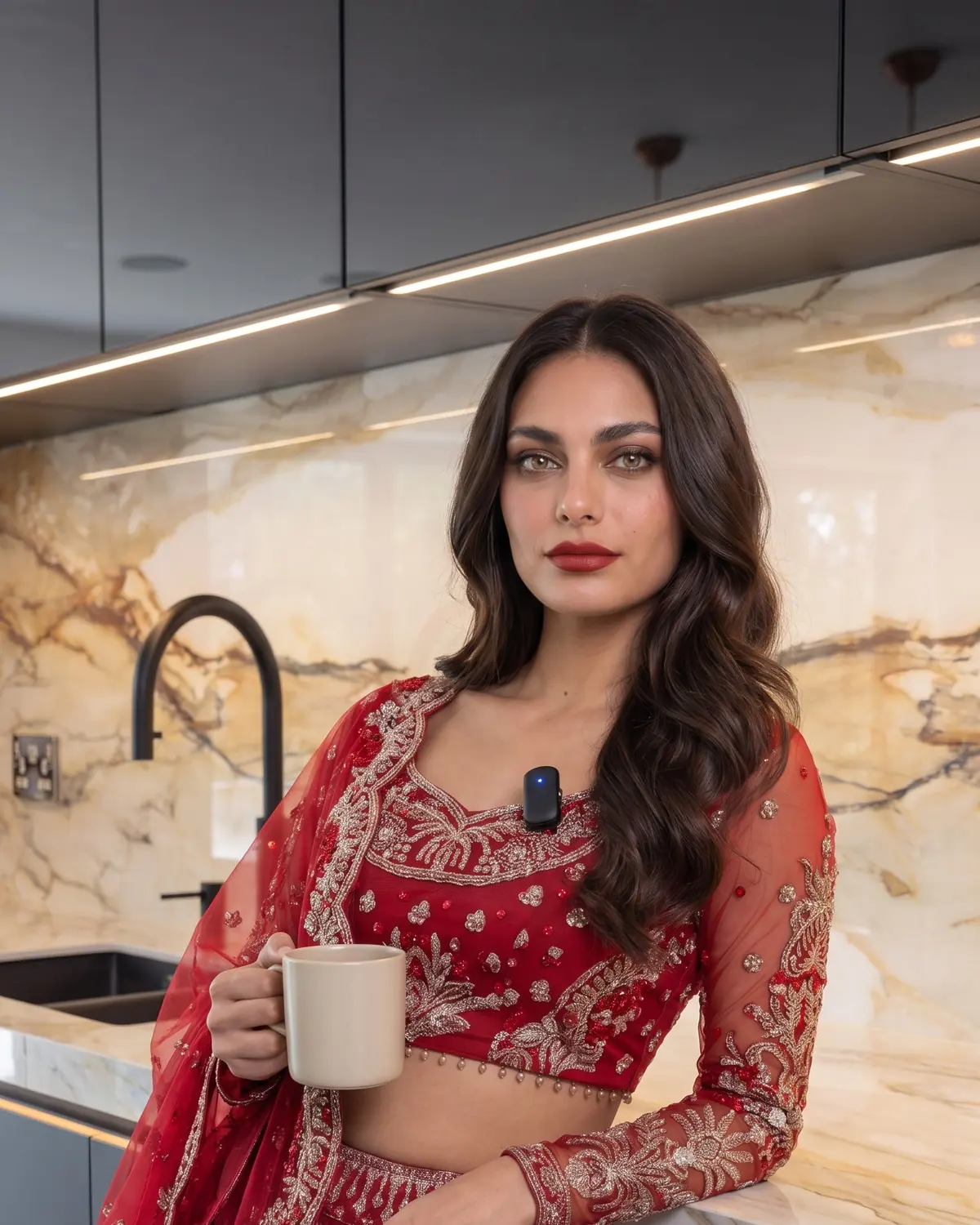 Live on Desipop
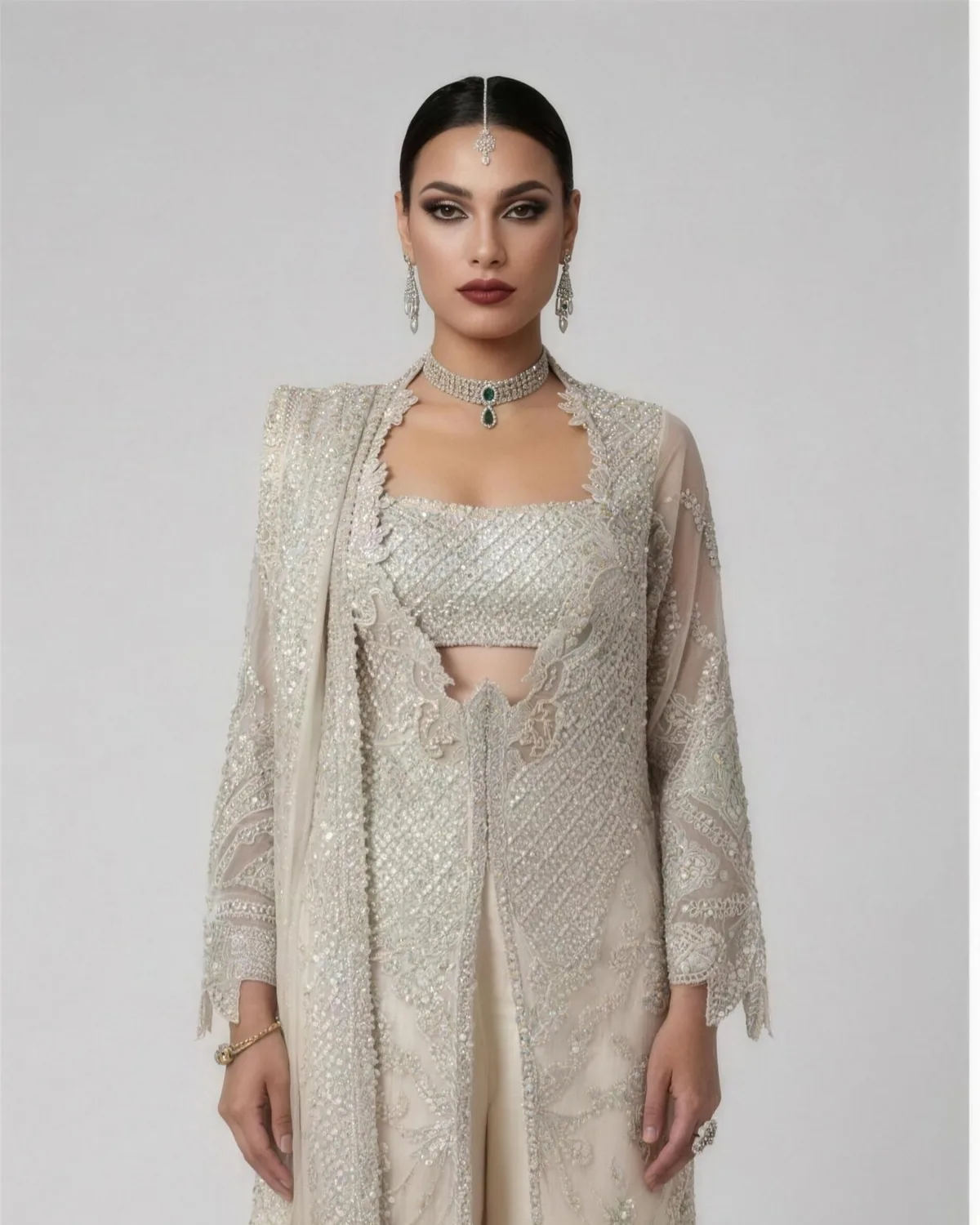
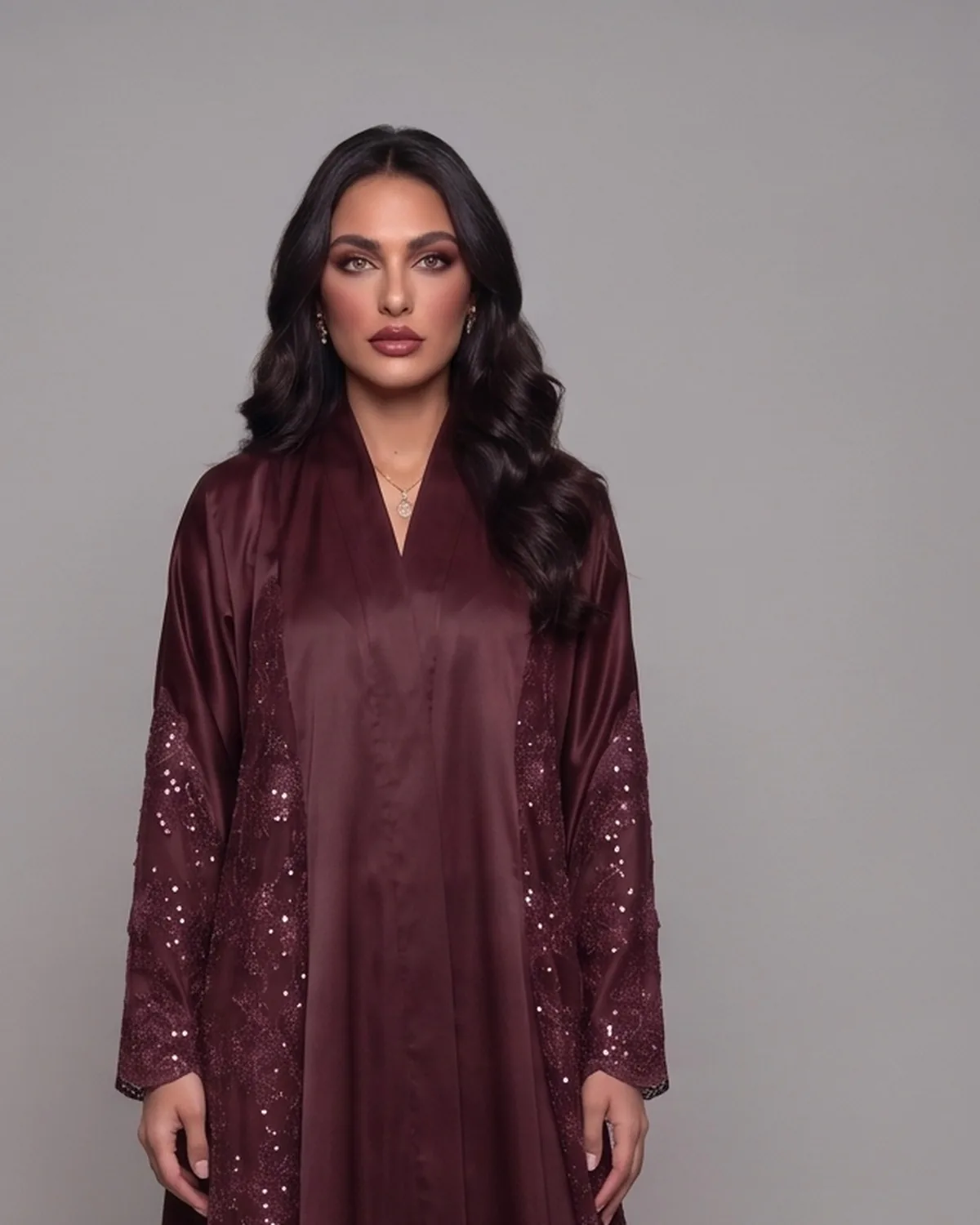
Example listing for illustration
Walk down Alum Rock Road on a Saturday. You'll see four boutiques displaying the same dress in the window with four different price tags.
That's not a coincidence. That's the supply chain.
The "designer" tier — a separate honest case
We're not saying every South Asian bridal piece is overpriced. Genuinely couture work — hand-embroidered by named ateliers, original design, weeks of labour, traceable provenance — earns its price.
A Faraz Manan piece. A Élan original. A Sabyasachi heirloom. These are bought once, kept forever, and the price reflects real artisanship.
The problem isn't with these. The problem is when a £200 wholesale piece is sold next to them with the same price tag and a vague gesture toward "designer."
Brides deserve to know which is which.
What this means if you're shopping in 2026
If you live in one of the five hub cities:
- Don't accept the first quote. Walk into three boutiques on the same street with the same dress in mind.
- Ask for the price in writing. If they refuse — that's the answer.
- Ask where the piece is from. If "Pakistan" is the only answer — that's wholesale.
- Don't be intimidated by the aunty network. Their loyalty is to the boutique, not to your wallet.
If you live anywhere else in Britain:
- You don't have to drive 4 hours and pay £4,000 for a £200 piece anymore.
- A fashion platform like WEDPOP lets you shop directly from sellers across the UK — designers, individuals, small businesses — at prices the seller sets.
- Desipop covers bridal, mehndi, sangeet, walima, eid, diwali, navratri, and grooms.
- Sellers keep 100%. Zero seller fees.
If you have a piece sitting in your wardrobe from a previous wedding or eid:
- It's an asset. Someone in another city is searching for it right now.
- List it on WEDPOP. Sellers keep 100% of the profit. Zero seller fees.
How we got the numbers
We compiled wholesale pricing from publicly listed Indian and Pakistani garment exporter directories (Surat textile export listings, Lahore wholesale boutique inventories, Karachi atelier output prices). We compared this against retail prices listed on:
- UK Asian boutique e-commerce sites
- eBay UK listings of bridal lehengas
- Designer studio retail prices in Pakistan vs the UK (currency-adjusted)
- Bridal industry reports on the UK Asian wedding economy
Industry markup standards came from published bridal retail metrics in the UK. Wholesale-to-retail ratios in standard fashion sit at 2.5x; we found Asian bridal at 8–10x.
The £3 billion industry size is the published estimate for the UK Asian wedding sector. South Asian weddings account for a substantial share of UK wedding spend, including occasionwear, catering, and venue.
The bigger picture
The British Asian wedding industry has had no real competitor for 30 years. No regulator. No transparency. No price comparison tool. No fashion platform alternative.
That changes when buyers and sellers can find each other directly. When prices are visible. When postcode no longer decides what you pay.
WEDPOP is Desipop that fixes this. UK-wide. Sellers set the price. Buyers see who they're buying from. Zero seller fees.
Bridal. Eid. Diwali. Navratri. Mehndi. Sangeet. Walima. Engagement. Party. Grooms.
Postcode shouldn't decide the price. Accent shouldn't decide the price.
The seller decides the price.
List your outfit on WEDPOP — sellers keep 100% →
Related reading on the WEDPOP journal
- The honest Eid al-Adha 2026 outfit guide for British South Asians →
- Lehenga vs sharara vs gharara — which is right for your wedding? →
- How to sell your bridal lehenga in the UK — the honest 2026 guide →
- The postcode pricing problem in British Asian bridal shopping →
WEDPOP is Britain's Pakistani and Indian fashion fashion platform. UK-wide. Sellers keep 100%. Find your jora. Skip the markup.
Frequently asked questions
Why are Pakistani and Indian bridal lehengas so expensive in the UK?
How much does a Pakistani bridal lehenga actually cost wholesale?
Why do bridal boutiques quote different prices to different customers?
Where can I buy a bridal lehenga in the UK without driving to Birmingham, London or Bradford?
What is the actual difference between a 'designer' lehenga and a regular boutique lehenga?
Your bridal lehenga deserves another big day.
Somewhere in Britain, a bride is searching for exactly what's hanging in your wardrobe. List it free on Desipop. Keep 100% of your earnings.
01Snap it. A few clear photos on your phone.
02Price it. You set it. You keep all of it.
03List it. Seen by buyers UK-wide.
Live on Desipop
Example listing for illustration
Read next
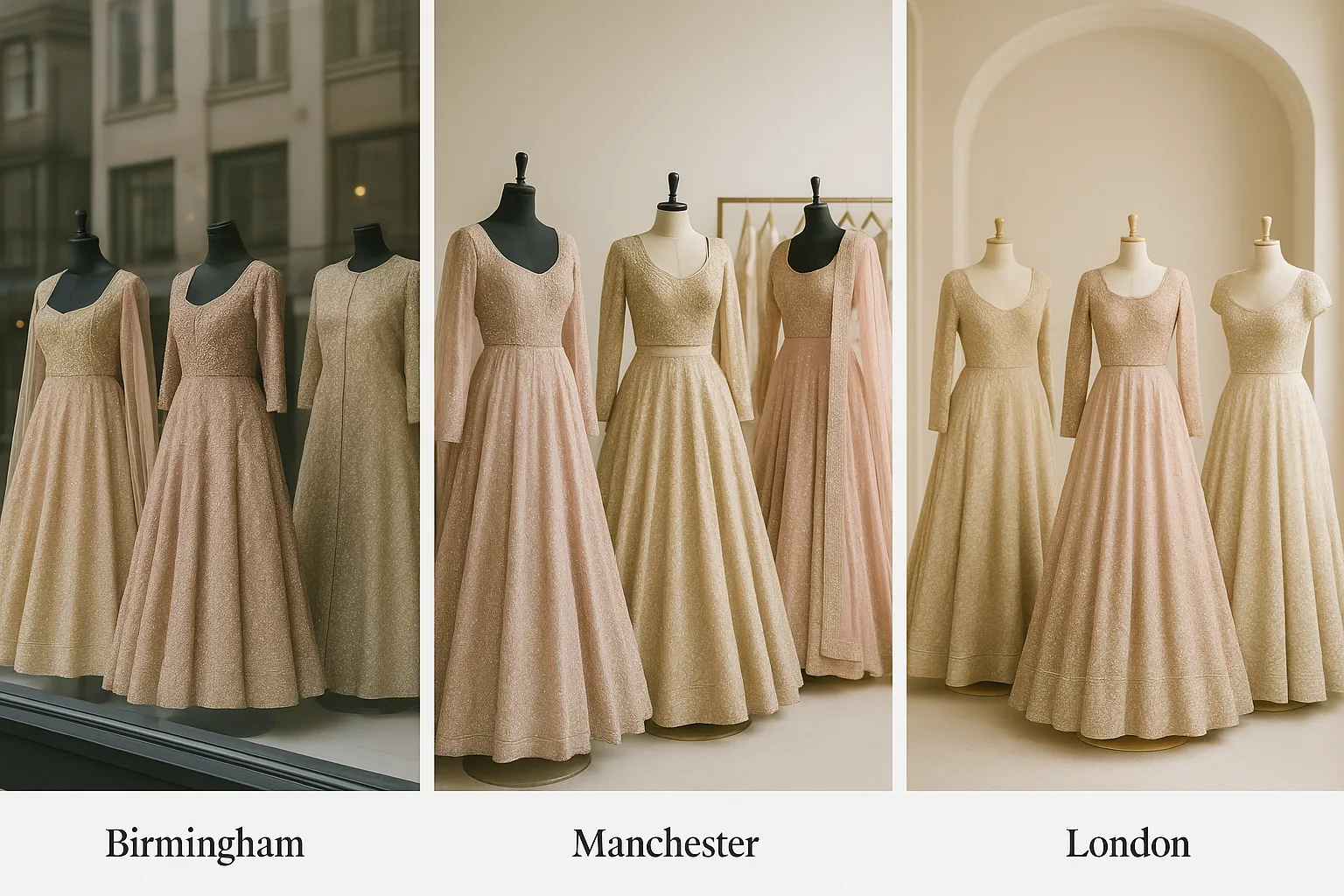
Where to buy bridal lehengas — Birmingham vs Manchester vs London
Three cities, three very different bridal experiences. The honest read on what each city offers, what to expect on price, and which suits which bride.
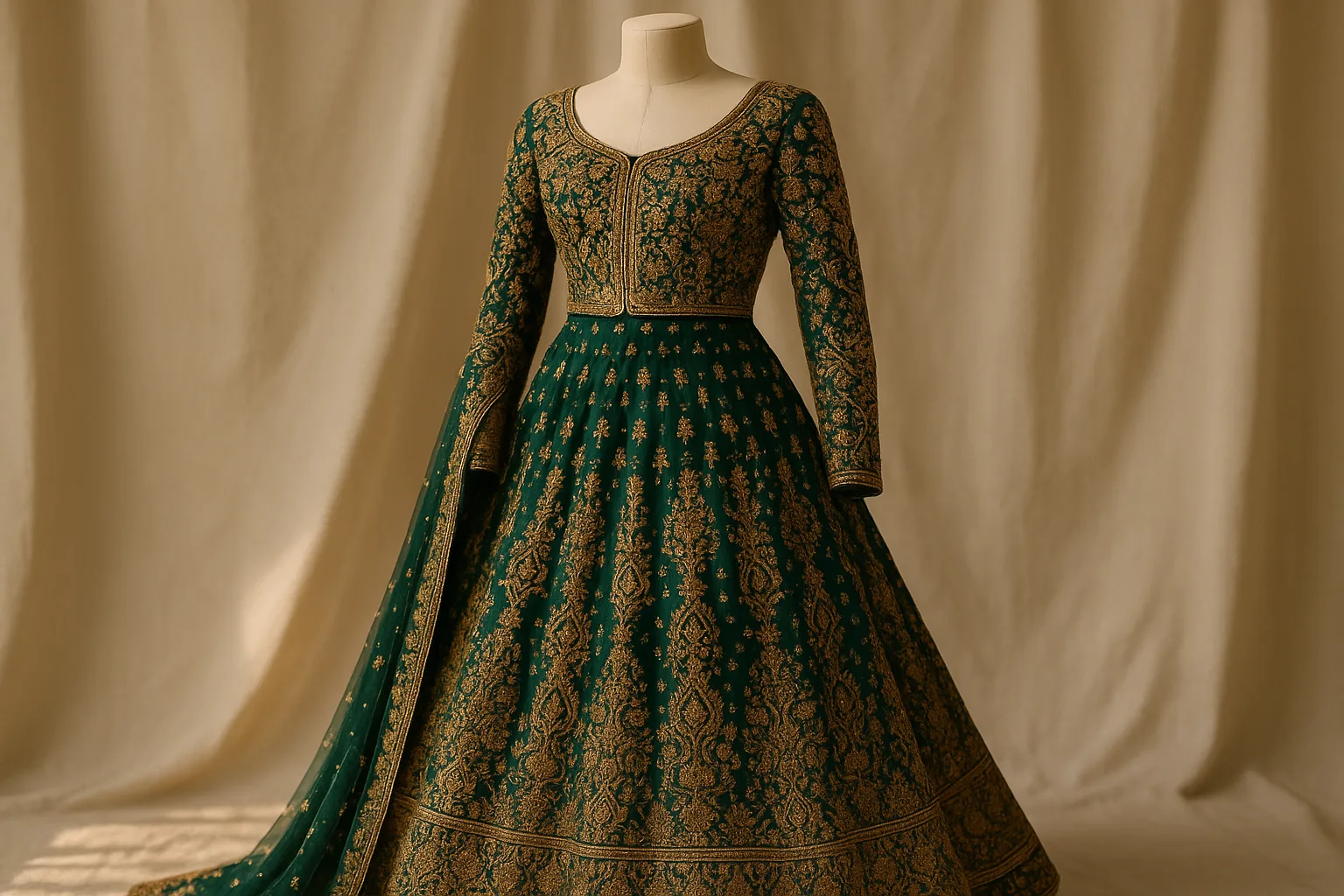
Walima outfit ideas for the bride 2026
What Pakistani brides are wearing for walima in 2026 — colour direction, garment options, fabric choices, and the designers leading the formal-reception look.
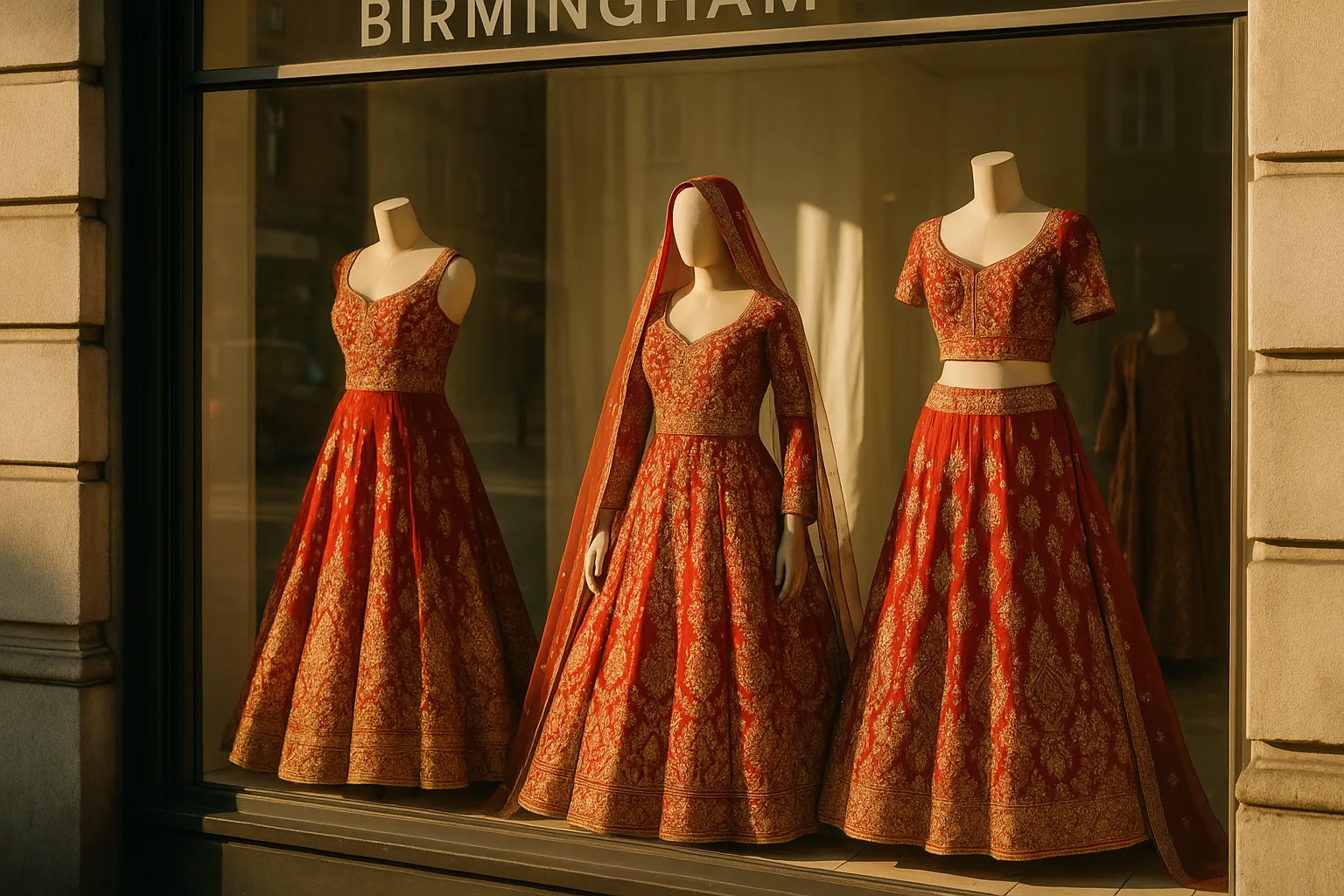
Where to find Asian bridal boutiques in the UK outside London
London isn't the only — or even the best — place to shop for South Asian bridal in the UK. The honest map of Birmingham, Manchester, Leicester, Bradford and Glasgow's bridal districts.